
Table of Contents
- How Long Does a Kitchen Remodel Take in Contra Costa? It Depends on Scope
- A Week-by-Week Kitchen Remodel Timeline (Typical Project)
- The Part Nobody Mentions: Most Delays Happen Before Demolition
- Refacing, Same-Footprint, or Full Layout Change: Which Timeline Fits You?
- Can You Live at Home While Your Kitchen Is Being Remodeled?
- Example Project: A Same-Footprint Kitchen in Walnut Creek
- Planning Your Start Date Around the Holidays and the Rainy Season
- Frequently Asked Questions
- Is cabinet refacing faster than a full kitchen remodel?
- Does a permit add time to my kitchen remodel?
- Why do kitchen remodels run past their schedule?
- What affects both the cost and the timeline of a kitchen remodel?
- What should you expect in the first weeks after the remodel is finished?
- What should you ask a contractor about the schedule before hiring?
- The Bottom Line
Direct Answer: The answer to how long does a kitchen remodel take in Contra Costa depends on scope: a same-footprint remodel usually needs 6 to 12 weeks of construction, while layout changes, permits, and custom cabinet lead times can push it to 4 to 6+ months.
Search “how long does a kitchen remodel take” and you will find two very different answers. One contractor promises a “new kitchen in a week.” Another warns you to clear half a year. Both can be honest, because they are usually describing different jobs. A one-week project is almost always cabinet refacing or painting, where the boxes stay in place. A six-month project usually involves moving walls, relocating plumbing, or waiting on fully custom cabinetry.
Terms like rough-in, templating, and punch list add to the confusion, and so does the gap between “semi-custom” and “custom” cabinets, which can change your schedule more than any choice you make on site. If you are planning a kitchen in Concord, Pleasant Hill, or anywhere else in Contra Costa County, the clock starts long before the first cabinet comes off the wall.
This guide covers three things: realistic time ranges by project scope, a phase-by-phase sample schedule, and the delays that catch most homeowners off guard. If you would rather talk through your own kitchen, you can schedule a free in-home consultation with our team and get a schedule built around your actual scope.
How Long Does a Kitchen Remodel Take in Contra Costa? It Depends on Scope
If you are asking how long does a kitchen remodel take, project scope is the single biggest factor. The more systems you touch (plumbing, electrical, walls, gas), the more trades, inspections, and waiting you add. Cosmetic work can wrap up in days. Structural work can run for months.
Here is how we explain the difference to homeowners during a first walkthrough. The ranges below are typical, not guaranteed, and they describe the construction window unless noted.
| Project scope | What it usually includes | Typical time on site | Permit usually needed? |
|---|---|---|---|
| Cabinet refacing or painting | New doors, drawer fronts, veneer or paint, new hardware; boxes stay in place | About 1 week for most kitchens | Often no, if nothing structural, electrical, or plumbing changes |
| Same-footprint remodel | New cabinets, countertops, backsplash, lighting, and flooring in the existing layout | Roughly 6 to 12 weeks once construction starts | Often yes, as soon as electrical or plumbing work is involved |
| Full layout change | Moving walls, relocating the sink or range, new circuits, possibly new windows | Often 3 months or longer on site; 4 to 6+ months end to end | Yes, and plan review is part of the schedule |
Notice the last column. A permit does not just add paperwork; it adds inspection checkpoints that the crew cannot skip. Our guide on Bay Area remodel timing explains why locking in permits early keeps the rest of the schedule from sliding.
A Week-by-Week Kitchen Remodel Timeline (Typical Project)
If you are wondering how long does a kitchen remodel take phase by phase, a typical same-footprint project moves through six stages, and the weeks overlap more than most people expect. The schedule below is an example of a mid-size Contra Costa kitchen with semi-custom cabinets ordered in advance. Your weeks will shift with scope, materials, and inspection availability, so treat this as a map, not a delivery date.
| Phase | Sample timing | What you will see | What most often stalls it |
|---|---|---|---|
| Design, selections, ordering | Several weeks before demo | Measurements, 3D renderings, final material choices | Late decisions, long cabinet lead times |
| Permit and plan review | Runs in parallel with ordering | Application, corrections, approval | City workload, incomplete drawings |
| Demolition and protection | Week 1 | Floors protected, old cabinets and finishes removed | Hidden water damage or old wiring |
| Rough-in and inspection | Weeks 2 to 3 | New plumbing lines, circuits, framing fixes, drywall | Inspection scheduling, corrections |
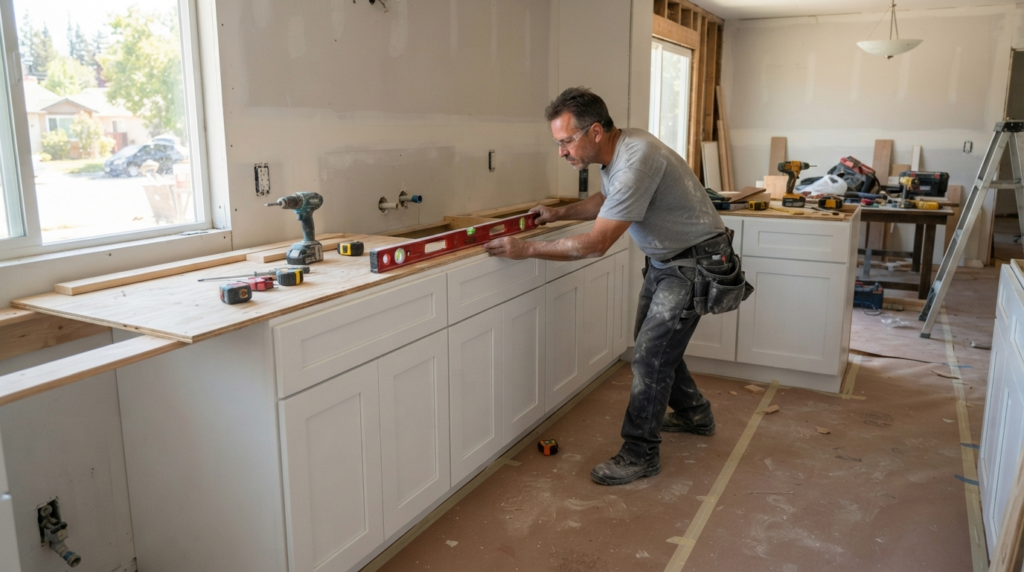
| Cabinets and countertops | Weeks 4 to 6 | Cabinets set and leveled, counters templated, then installed | Fabrication gap after templating |
| Finishes and punch list | Weeks 7 to 8 and beyond | Backsplash, fixtures, appliances, final inspection, walkthrough | Backordered appliances or fixtures |
Before week 1: design, selections, and ordering
The design phase sets the pace for everything that follows. This is when you choose cabinet style, countertop material, appliances, and fixtures, and when those items are ordered. Stock cabinets can be quick to arrive. Semi-custom and fully custom lines can take many weeks, and some high-end custom cabinetry runs 20 weeks or more, so ordering early is the most effective way to shorten your project.
Permit and plan review: it depends on your city
Permit timing in Contra Costa is set by your own city’s building department, not by your contractor, and turnaround varies from one city to the next. Walnut Creek, for example, now takes permit applications through an online portal only. A cabinet-and-counter refresh often needs no permit at all, while new circuits, plumbing changes, or wall removal usually do. We submit as early as possible so plan review runs while your cabinets are being built.
Week 1: demolition and site protection
Demolition is the fastest phase, and the one that reveals surprises. Our crews protect floors and adjacent rooms, shut off the right utilities, and remove cabinets, counters, and finishes. In a kitchen in an older Martinez home, opening the walls is often where we find outdated wiring or past leak damage that has to be corrected before anything new goes in.
Weeks 2 to 3: rough-in, inspection, and drywall
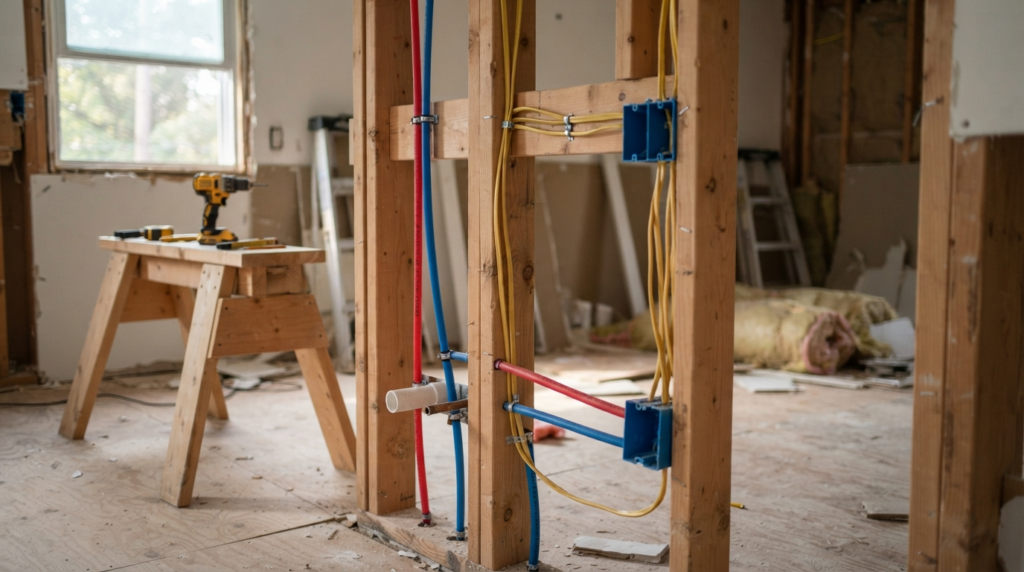
Rough-in is the behind-the-wall work: plumbing supply and drain lines, new circuits, outlets, lighting boxes, and any framing changes. If your project has a permit, the rough inspection happens here, and walls cannot be closed until it passes. Once it does, insulation and drywall go up, followed by patching and primer.
Weeks 4 to 6: cabinets, then countertops
Cabinet installation usually takes a few days, but countertops cannot be measured until the base cabinets are set and level. After templating, the fabricator cuts your stone or quartz, which creates a waiting window that surprises a lot of homeowners. Ask your fabricator for their current turnaround so the rest of the crew can plan around it.
Weeks 7 to 8 and beyond: finishes, final inspection, punch list
The last stretch brings the kitchen back to life: backsplash tile, sink and faucet hookup, appliance installation, trim, and paint. A final inspection closes out the permit. Then comes the punch list, a walkthrough where you and the project manager note small fixes like a door that needs adjustment or a missed caulk line.
Want a version of this schedule built for your kitchen? Request a free estimate and timeline and we will map the phases to your actual scope.
The Part Nobody Mentions: Most Delays Happen Before Demolition
When homeowners ask us “how long does a kitchen remodel take?”, the honest answer is that most of the calendar goes to waiting, not construction. A crew can demo a kitchen in a day or two. A late cabinet order, an unanswered selection question, or a backordered range can freeze the job for weeks. One of our own clients shared that her new range was still backordered after the rest of the kitchen was finished, which is more common than people think.
The technical cause is simple: a kitchen is built in strict sequence. Counters wait for cabinets, backsplash waits for counters, and the final inspection waits for appliances and fixtures. One late item pushes every step behind it.
Here is how to protect your schedule:
- Finalize every selection before demo day, including faucet, sink, hardware, and backsplash tile.
- Confirm lead times in writing for cabinets, appliances, and any special-order windows.
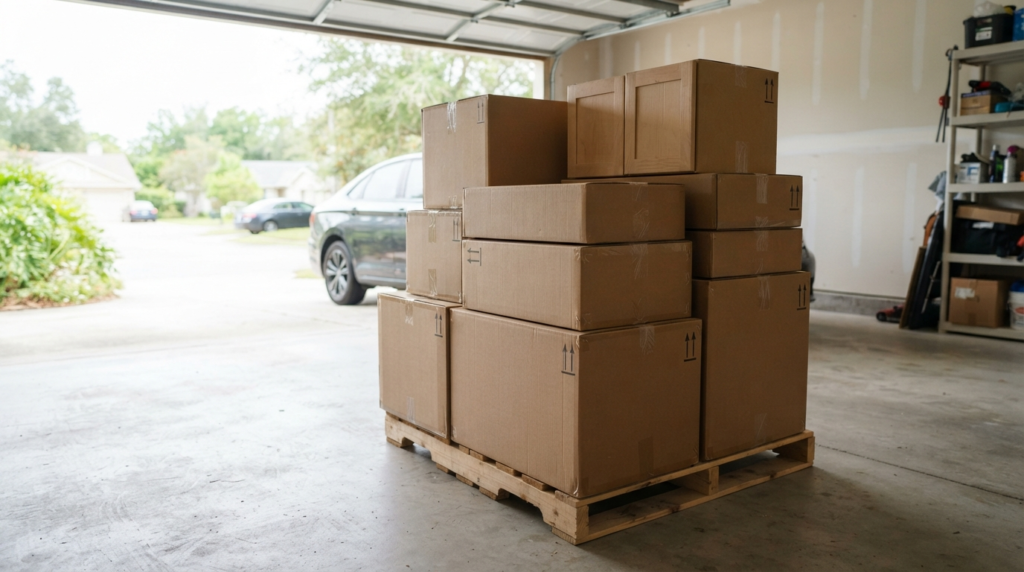
- Have materials delivered or confirmed in stock before the old kitchen comes out.
- Limit mid-project changes. Each change order can mean re-ordering, re-inspecting, or re-sequencing trades.
- Keep one point of contact so decisions do not sit unanswered.
Before you sign anything, ask your contractor this: “Which items on my list have the longest lead time, and will they be on site before demolition starts?” The answer tells you a lot about how the project will run.
Refacing, Same-Footprint, or Full Layout Change: Which Timeline Fits You?
The right path depends on whether your kitchen’s layout works today. If it does, you may not need a long remodel at all. Refacing keeps your existing layout. A full remodel lets you reconfigure the whole space. The difference in time is measured in weeks versus months.
- Cabinet refacing or painting: best when the cabinet boxes are solid and the layout works. Most projects wrap up in about a week. Common mistake: choosing refacing when the real problem is a cramped layout, which no new door can fix.
- Same-footprint remodel: best when you want new cabinets, counters, and lighting without moving the sink or range. This is the 6 to 12 week range for construction. Common mistake: ordering cabinets late and losing the time savings of keeping the layout.
- Full layout change: best when you want an island, an open wall, or a new work triangle. Expect plan review, more inspections, and the longest schedule. Common mistake: starting demo before every structural and design decision is final.
A full remodel is not always the best choice. If you are preparing a home for sale on a short deadline, need a working kitchen within days, or your cabinets are structurally sound, a faster option usually serves you better. Our kitchen custom remodel service page breaks down what a full project includes so you can compare it against a refresh.
Can You Live at Home While Your Kitchen Is Being Remodeled?
Yes, most Contra Costa homeowners stay in the house during a kitchen remodel, but you will be without a working kitchen for most of the construction window. Water may be off for short stretches during rough-in, and dust control matters, especially in open floor plans common in newer homes in San Ramon or Brentwood.
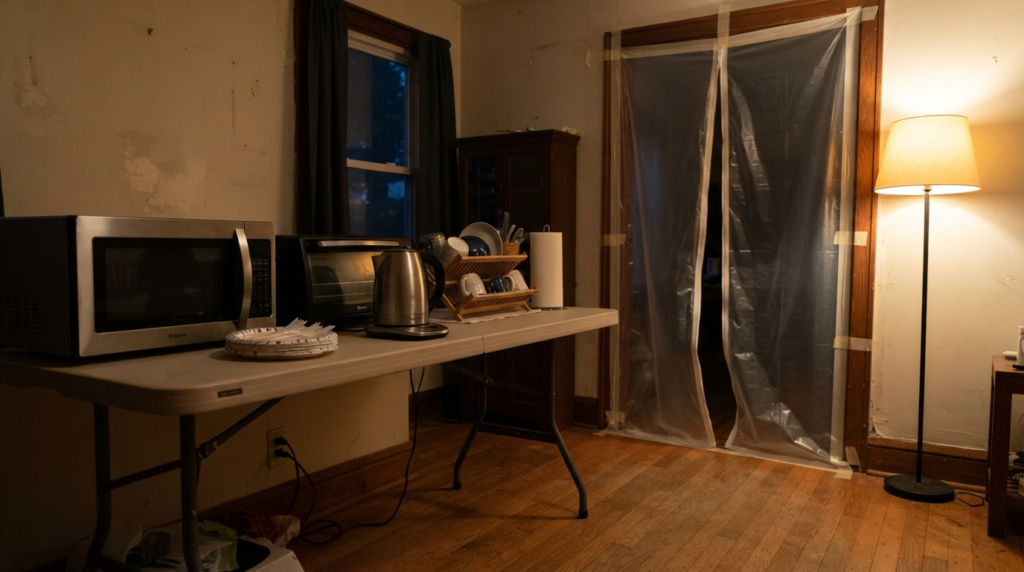
A temporary kitchen makes the weeks much easier. Set up a folding table in the dining room or garage with a microwave, an electric kettle, a toaster oven, and the refrigerator if it can be moved. Use a laundry sink or bathroom sink for small dishes, and plan for more takeout than usual during demo and rough-in week.
If someone in your home has respiratory sensitivity or you work from home in a room next to the kitchen, mention it during planning. We can sequence the dustiest work for specific days so you can plan around it.
Example Project: A Same-Footprint Kitchen in Walnut Creek
The following is a hypothetical example based on a typical project profile, not a specific client. Picture a family in Walnut Creek with a dated kitchen that still has a good layout. They want new semi-custom cabinets, quartz countertops, a tile backsplash, recessed LED lighting, and two added outlets on the island side.
Because the electrical work needed a permit, our team submitted it during the design phase, while the cabinets were in production. By the time the cabinets arrived, the permit was approved. Demolition took a day, rough-in and inspection took about two weeks, and cabinets went in during week four. The countertop fabrication gap was the longest single wait, and the family finished with a final walkthrough around week eight. So how long does a kitchen remodel take when the layout stays the same? In this example, about eight weeks on site.
What made the schedule work was not speed on site. It was sequencing: ordering early, running the permit in parallel, and having every fixture on hand before demo. That is the job of a dedicated project manager, and it is something reviewers on our Adval Construction Yelp page mention often, along with how well the crew kept them updated from start to finish.
Our in-house installers handle the work under CSLB license #1059130, and after more than 500 projects across the Bay Area, the pattern holds: the projects that finish on schedule are the ones planned in full before the first cabinet comes out. You can also check our business profile on the BBB.
Planning Your Start Date Around the Holidays and the Rainy Season
The season matters less than you might think. Ask how long does a kitchen remodel take in winter versus summer and the answer is usually the same, because most kitchen work happens indoors and the Bay Area’s wet season from late fall through winter rarely stops it. The exceptions are window replacements, exterior venting for a new range hood, or any work that opens the house to the weather. Those tasks are easier to schedule on dry days.
The bigger seasonal factor is the holidays. Many homeowners in Lafayette, Danville, and Concord want a finished kitchen before Thanksgiving, but if you are reading this in October and have not ordered cabinets yet, a same-footprint remodel will likely run into the new year. Count backward from your target date: lead time, then permit, then 6 to 12 weeks of construction. If the math does not work, a refacing project or a start date in early spring may be the more realistic choice.
Not sure where your project lands? See the Contra Costa County cities we serve and reach out for a schedule that fits your calendar.
Frequently Asked Questions
Is cabinet refacing faster than a full kitchen remodel?
Yes, cabinet refacing is much faster than a full kitchen remodel because the cabinet boxes, plumbing, and wiring stay in place. Most refacing projects are finished in about a week, while a same-footprint remodel usually takes 6 to 12 weeks of construction. Refacing does not change the layout, so it is the right fit only if the current layout already works for you. If the real question is how long does a kitchen remodel take versus a refresh, the gap is weeks versus days.
Does a permit add time to my kitchen remodel?
A permit can add time to a kitchen remodel, mostly through plan review and required inspections. Cosmetic work like replacing cabinets or countertops in the same spot often needs no permit, while new circuits, plumbing changes, or wall removal usually do. Turnaround is set by each city’s building department in Contra Costa, so the best move is to submit early and let review run while materials are being made.
Why do kitchen remodels run past their schedule?
Kitchen remodels usually run past schedule because of waiting, not slow work. The most common causes are late material selections, long cabinet or appliance lead times, change orders after demolition, and hidden conditions found behind old walls. Because each phase depends on the one before it, a single late item can push every later step back.
What affects both the cost and the timeline of a kitchen remodel?
The same factors drive both the cost and the timeline of a kitchen remodel. Scope (cosmetic, same-footprint, or layout change), cabinet type (stock, semi-custom, or custom), countertop material, the number of trades involved, and whether permits and inspections are required all move both numbers. Hidden conditions in older homes, like outdated wiring, can affect both as well, which is why a detailed in-home estimate matters.
What should you expect in the first weeks after the remodel is finished?
The first weeks after a kitchen remodel are when small adjustments show up. Cabinet doors may need a minor hinge tweak as they settle, and caulk or grout lines are worth checking once you start cooking and cleaning daily. Follow the care instructions for your countertop material, and report anything on your punch list early so it is handled under warranty.
What should you ask a contractor about the schedule before hiring?
Before hiring a kitchen remodel contractor, ask questions that reveal how the schedule will really be managed:
- Who is my single point of contact, and how often will I get updates?
- Which of my selections has the longest lead time?
- Will all materials be on site or confirmed before demolition?
- Who pulls the permit, and when will it be submitted?
- Are installers in-house or subcontracted?
- How are change orders handled and added to the schedule?
The Bottom Line
So, how long does a kitchen remodel take? There is no single number, but there is a reliable pattern. Cosmetic projects take days, same-footprint remodels take about 6 to 12 weeks of construction, and layout changes take months once planning and permits are included. The homeowners who finish on time are the ones who make every decision and order every item before demolition starts.
If you are planning a kitchen anywhere in Contra Costa County, book your free in-home consultation with Adval Construction, or call us at +1 925-278-8726. We will walk your space, talk through your options, and give you a realistic schedule before any work begins.